We are processing your request.
Please, don't close or refresh the page.
11 AM – 10 PM
Djurgårdsstrand 9, Stockholm, Stockholm
2 hours approx.
Price from: 207.10 SEK

Museum of Spirits, Stockholm: Tickets and Info

This website offers official tickets for this venue. Please note, however, that it is not the official website of the venue.

Smartphone tickets

Smartphone tickets

Why wait?

Priority Access Available

Instant confirmation

Instant confirmation

Smartphone tickets

Smartphone tickets

Everything you need, right in your pocket!
Why wait?

Why wait?

Skip the line and get priority access
Instant confirmation

Instant confirmation

Receive your tickets seconds after your purchase
4.6
(36)

Spirits Museum: Admission ticket

Highlights

Discover fascinating insights about Sweden’s alcohol culture.

See the ‘Spirits of a Nation’ exhibition.

Enjoy a rich educational experience about spirits and distillation.

Opportunity to enhance your visit with optional tastings.

Located in central Stockholm with easy access.
Museum of Spirits, Stockholm

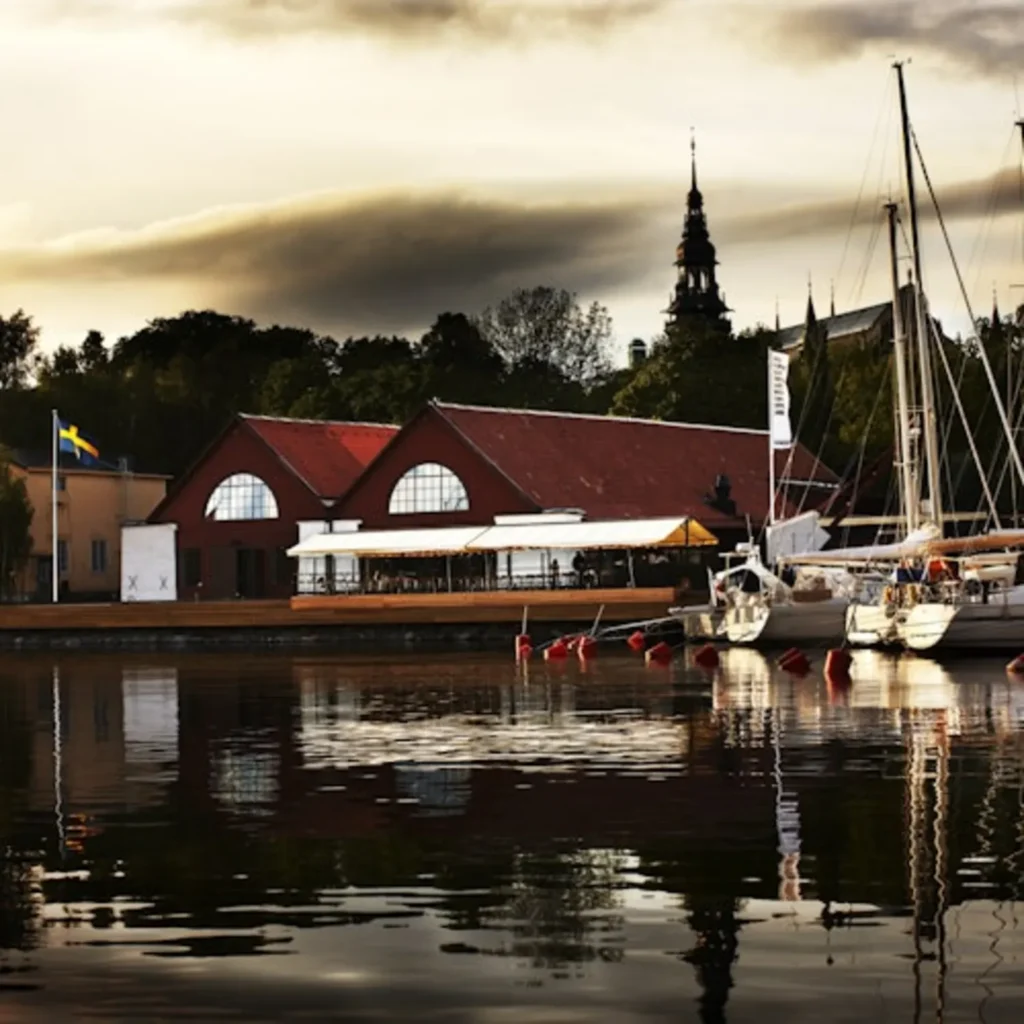
Discover the Museum of Spirits in Stockholm’s scenic Djurgården district, a unique attraction dedicated to Swedish drinking culture. Home to the internationally acclaimed Absolut Art Collection, this museum offers an engaging insight into the art and history behind Sweden’s iconic spirits. Book your tickets today and explore the fascinating world of Swedish spirits firsthand.

About the Museum of Spirits

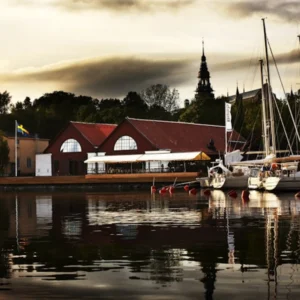
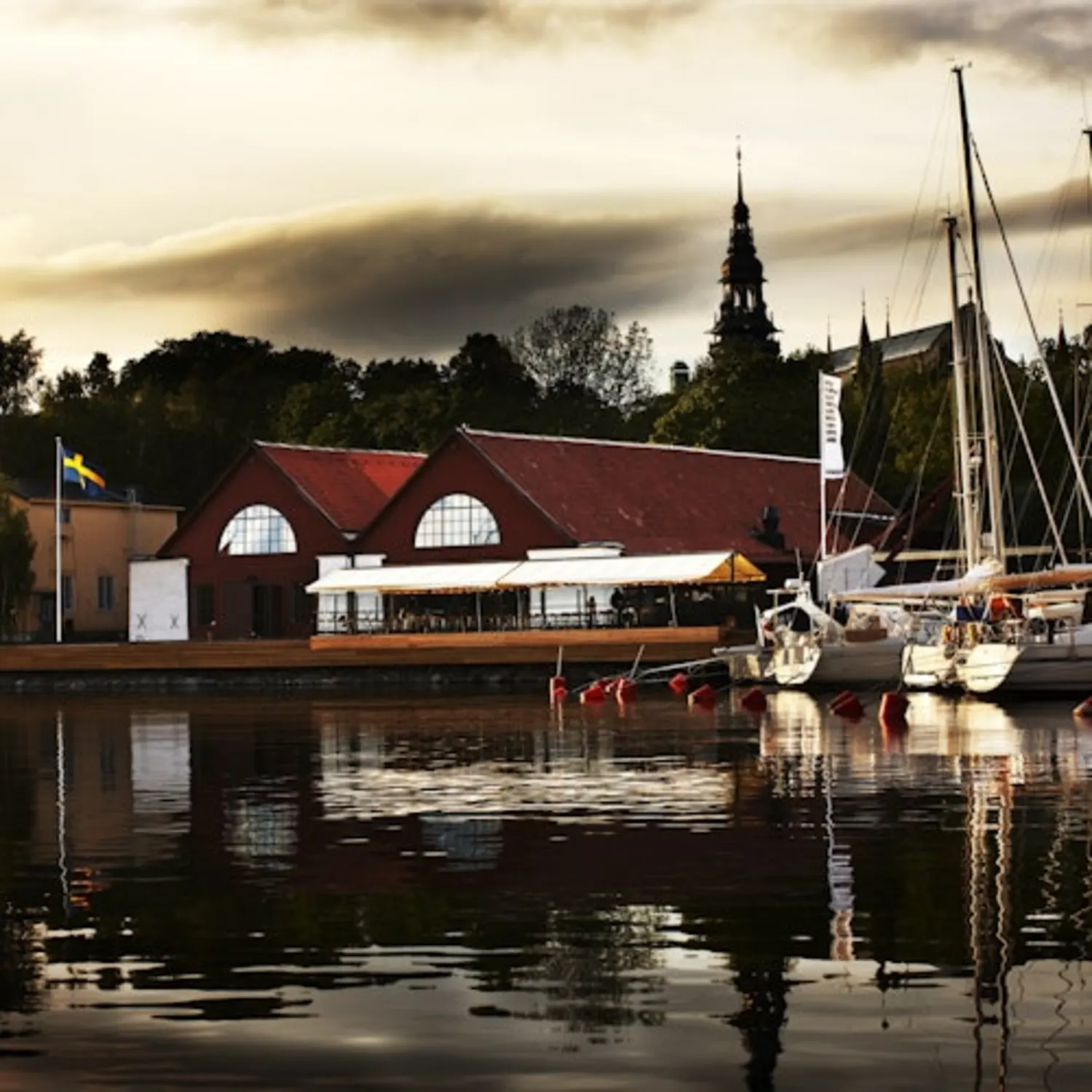
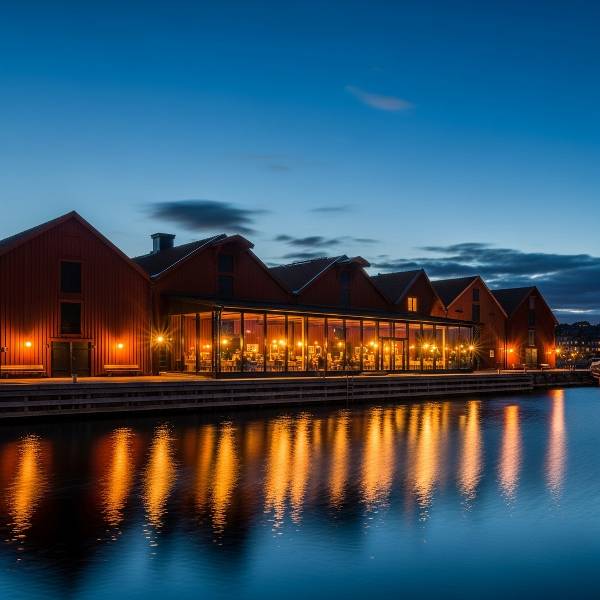
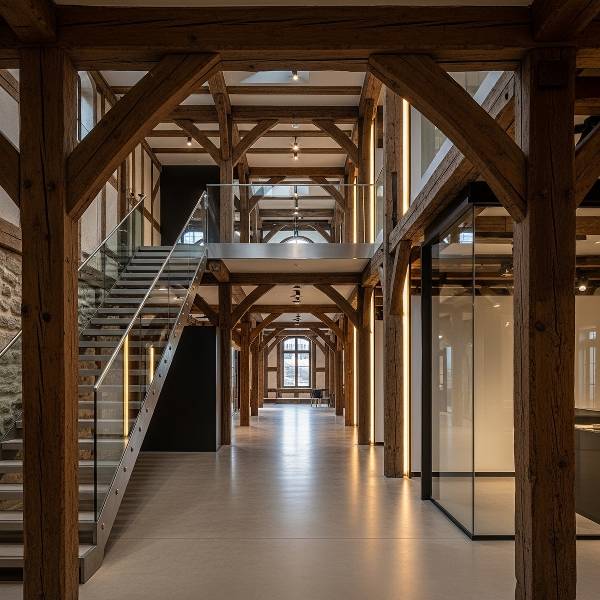
The Museum of Spirits, known locally as Spritmuseum, is a premier cultural destination in Stockholm dedicated to the heritage, manufacture, and consumption of Swedish alcoholic beverages. Located on the picturesque island of Djurgården within a pair of restored 18th-century naval galley sheds, the museum offers an immersive look at the nation’s complicated social relationship with spirits.

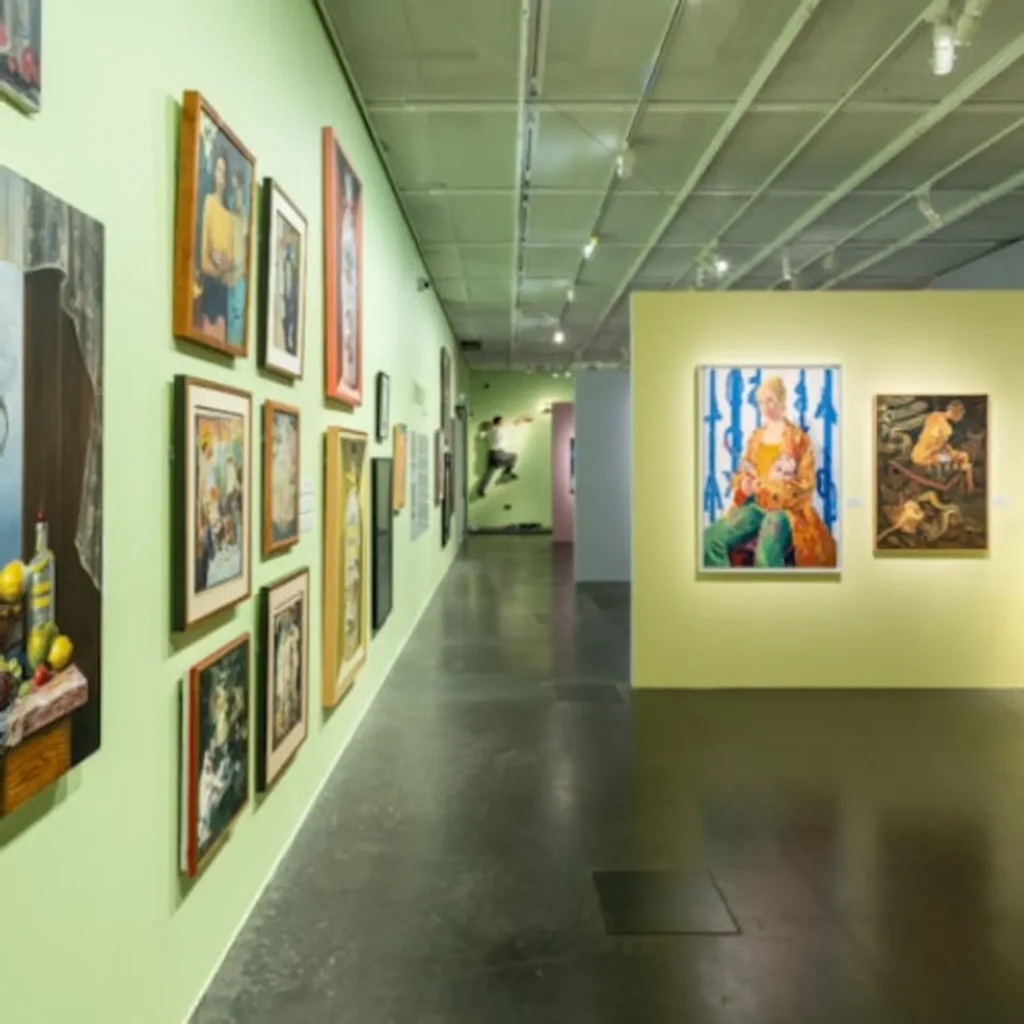
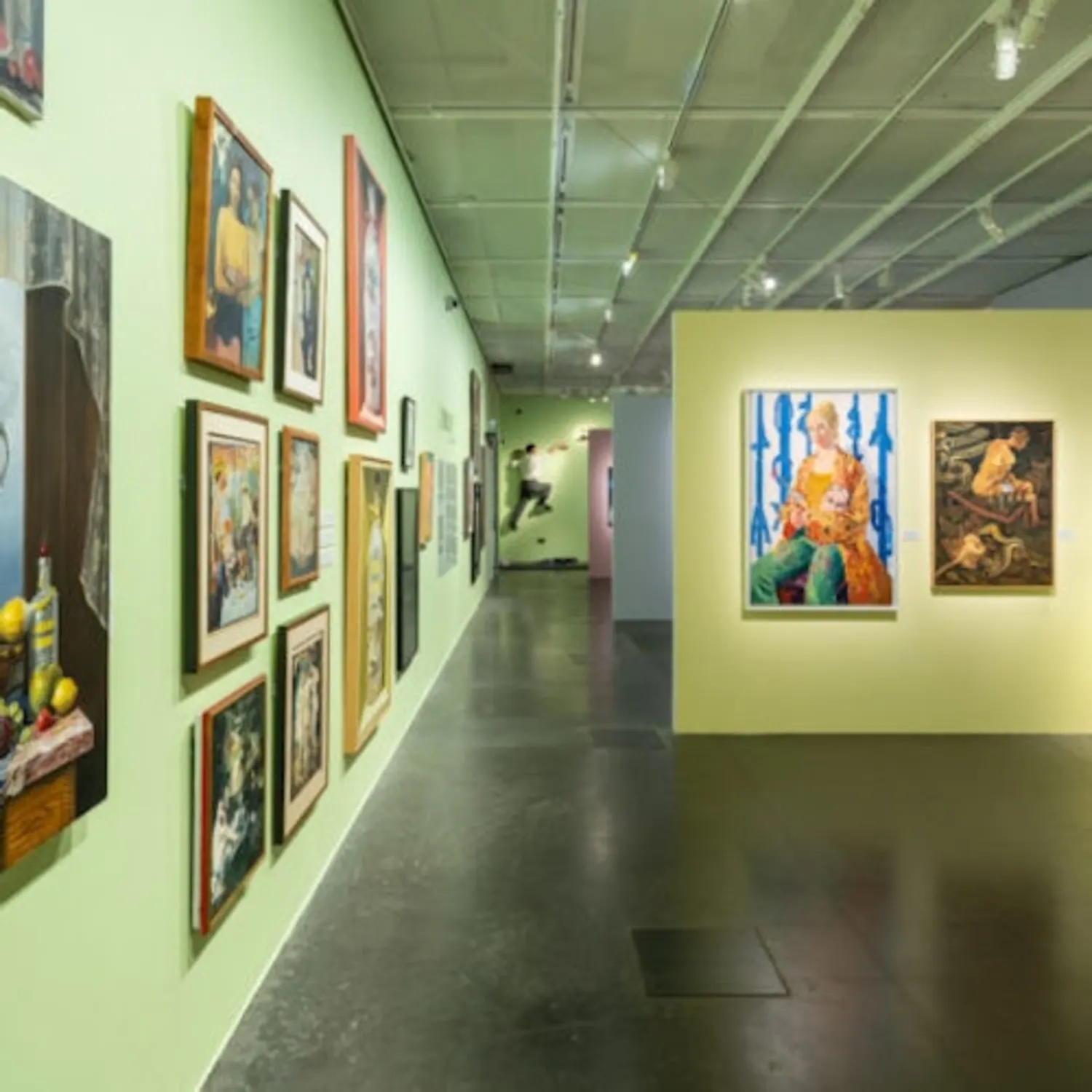
Visitors can explore a variety of interactive exhibitions ranging from the history of prohibition and traditional drinking songs to the world-renowned Absolut Art Collection. By combining educational displays with sensory experiences like scent stations and tasting rooms, the museum provides a sophisticated yet accessible exploration of the “spirit of a nation.”

Founded: 1967

Relocation Year: 2012 (moved from central Stockholm to its current waterfront site on Djurgården)

Permanent Collection: Home to over 850 works within the Absolut Art Collection

Historical Artifacts: The museum archives house approximately 13,000 items, including 6,500 beverage labels and 200 drinking songs

Building Heritage: The museum occupies two of the last remaining 18th-century naval sheds in Stockholm

Why Visit the Museum of Spirits?

Explore Sweden’s Complex Drinking Culture

The museum provides a comprehensive look at the historical and social relationship between Swedes and alcohol. Through interactive exhibits, visitors can trace the journey from the country’s prohibitionist roots to its modern-day drinking traditions and festivities.

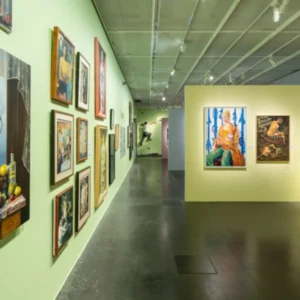
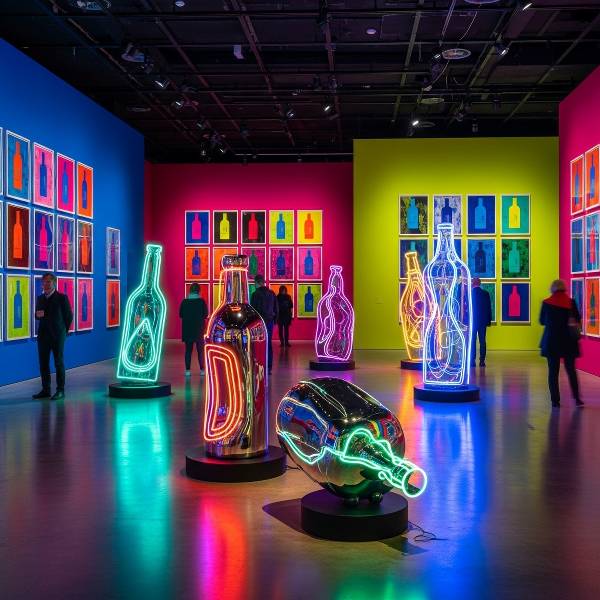
View the Absolut Art Collection

As the permanent home of this world-renowned collection, the museum displays a rotating selection of works from over 850 pieces. The gallery features iconic contributions from artists such as Andy Warhol, Keith Haring, and Damien Hirst, all commissioned by the Swedish vodka brand.

Engage Your Senses in the Tasting Room

Beyond visual displays, the museum offers curated tasting trays that allow guests to sample traditional Swedish schnapps and craft spirits. These guided experiences provide a deeper understanding of the flavors and botanicals that define the Nordic distilling heritage.

Experience Seasonal Scandi-Cool Exhibitions

The museum frequently hosts temporary exhibitions that explore various facets of beverage culture, from the science of hangovers to the art of brewing beer. These installations are designed to be thought-provoking and often utilize immersive scenography to tell their stories.

Enjoy a Scenic Location on Djurgården

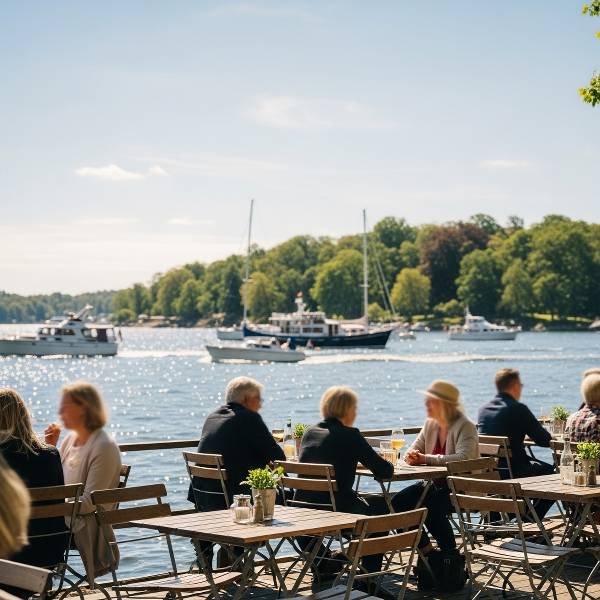
Situated in two 18th-century naval buildings on the waterfront, the museum offers a tranquil atmosphere in the heart of Stockholm’s royal park. After exploring the galleries, visitors can visit the onsite restaurant and bar, which is highly regarded for its seasonal menu and outdoor seating.

Timings

The museum, the restaurant and the bar are all open 7 days a week, from 11 AM to 10 PM.

The museum generally closed during Christmas holidays (22-26 Dec).

Most visitors spend between 1.5 and 2 hours exploring the exhibitions. This timeframe allows for a self-guided tour of the permanent and temporary displays, though guests wishing to visit the restaurant or participate in a guided tasting should plan for a stay of approximately 3 hours.

Best Time to Visit:

To enjoy a quieter experience, it is advisable to visit on weekday mornings shortly after opening. The museum also serves as a popular evening destination; visiting after 6 PM allows you to combine the cultural exhibits with a dinner or drinks in a more atmospheric, night-time setting.

How to Get to There?

Museum Address

Spritmuseum
Djurgårdsstrand 9
SE-115 21 Stockholm

The museum is located on the island of Djurgården, situated on the waterfront between the Vasa Museum and the Gröna Lund amusement park.

Directions

The most direct route from the city center is via Tram Line 7.

Board the tram at Hamngatan (near Sergels torg or Kungsträdgården) heading towards Waldemarsudde.

Disembark at the Liljevalchs/Gröna Lund stop. From there, it is a short walk toward the water and the museum entrance.

Take Bus 67 from Odenplan or Karlaplan and exit at the Liljevalchs/Gröna Lund stop.

Alternatively, Buses 69 and 76 stop at Djurgårdsbron.

If you take either of these, cross the bridge and walk approximately 10 minutes along the water to reach the museum.

The Djurgården ferry (Line 82) operates year-round from Slussen.

During the summer months, additional ferry services run from Nybroplan.

Disembark at Allmänna Gränd, which is only a few minutes’ walk from the museum.

For those coming from Hammarby Sjöstad or the Viking Terminal, the M/S Emelie also provides a direct connection to Djurgården.

The nearest metro station is Karlaplan on the Red Line.

From the station, you can either walk for approximately 15 minutes or transfer to Bus 67 for a shorter journey to the museum.

Walking from Stockholm Central Station takes approximately 35 minutes, following the scenic Strandvägen waterfront.

Dedicated bicycle paths lead all the way to Djurgården, and bicycle racks are available near the museum entrance.

Driving to the museum is not recommended, particularly on weekends, as Djurgårdsvägen is often closed to private vehicles and parking is extremely limited.

If you choose to drive, the nearest parking garages are located at Narvavägen or the Gallerian shopping mall on Hamngatan.

Things to Know Before Visiting the Museum of Spirits

The museum is located in the Djurgården district, easily reached via the Number 7 tram or the Djurgården ferry from Slussen.

Admission tickets can be purchased online in advance to ensure entry during peak hours or for specific event time slots.

While the museum explores the history of alcohol, visitors of all ages are welcome, and non-alcoholic beverage options are always available.

The legal drinking age in Sweden is 18 for beer and wine in restaurants, and you may be asked for identification if participating in tastings.

The museum operates as a cash-free venue, so please ensure you have a valid credit or debit card for all transactions.

Photography is permitted within the galleries for personal use, provided that no flash or professional tripods are used.

Large bags and umbrellas are not allowed inside the exhibition halls but can be stored in the lockers provided in the cloakroom area.

Tastings and spirit flights are not included in the standard admission price and must be purchased separately at the bar or reception.

The onsite restaurant is a popular destination, and making a table reservation in advance is highly recommended for weekend dining.

Museum of Spirits – Additional Info

The Museum of Spirits is housed in historically restored 18th-century naval sheds, offering a mix of modern amenities within a heritage setting.

The venue features a cloakroom and lockers where visitors can securely store bags and coats during their tour.

Restrooms are located on the ground floor and are maintained to a high standard, with baby-changing facilities available for families traveling with young children.

In addition to the exhibition spaces, the museum provides a dedicated area for tastings and workshops.

This space is designed for both public sessions and private corporate events, equipped with professional equipment for spirit masterclasses.

Free Wi-Fi is accessible throughout the premises, allowing visitors to engage with digital guides or share their experience online.

The museum shop offers a curated selection of items that reflect Swedish drinking culture and the art of craft spirits.

Visitors can find an array of barware, including professional-grade shakers, glassware, and traditional schnapps carafes.

The store also features a range of Swedish-designed kitchenware and books dedicated to mixology, distillation history, and Nordic culinary traditions.

A significant portion of the shop is dedicated to the Absolut Art Collection.

Guests can purchase high-quality prints, postcards, and stationery featuring the iconic artwork seen in the galleries.

The store also stocks unique Swedish snacks and non-alcoholic beverage alternatives, making it a convenient stop for gifts that are both cultural and practical.

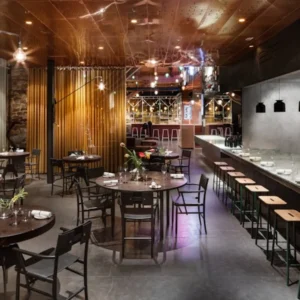
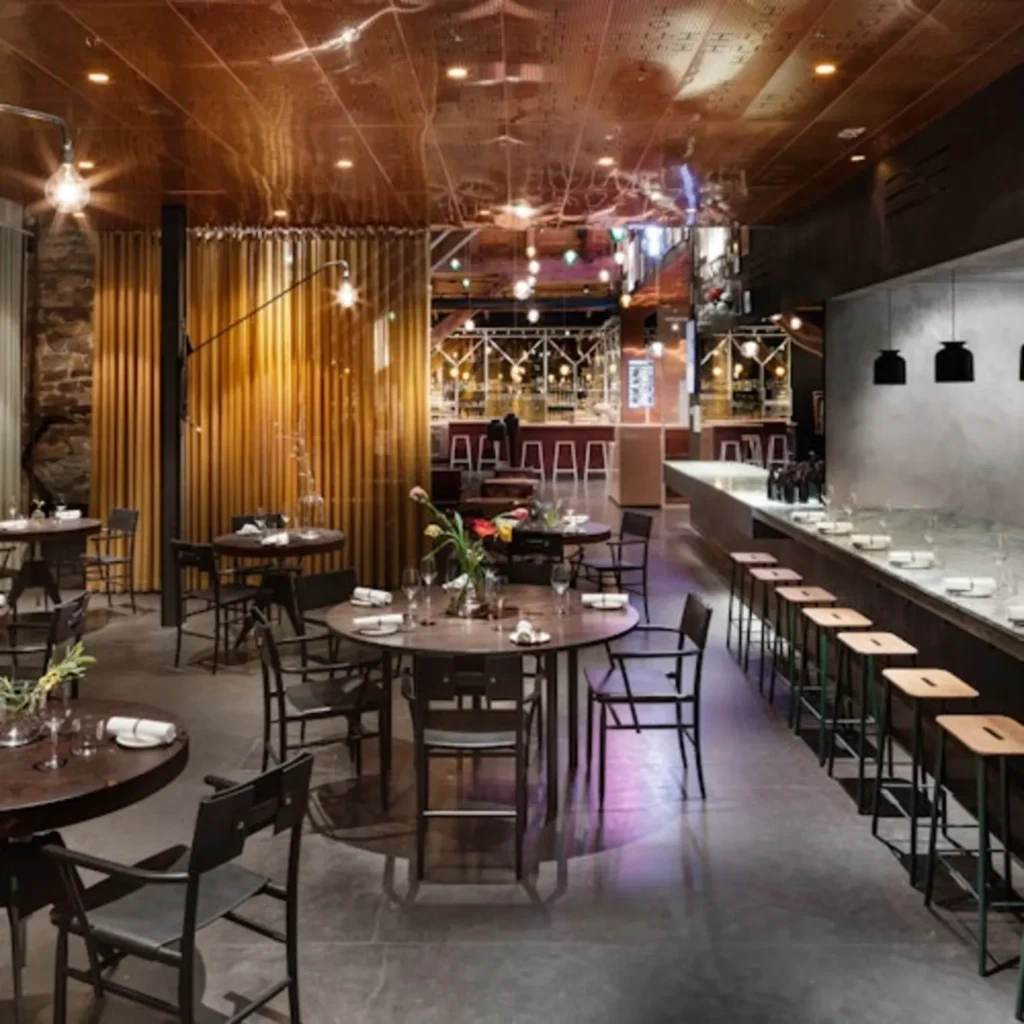
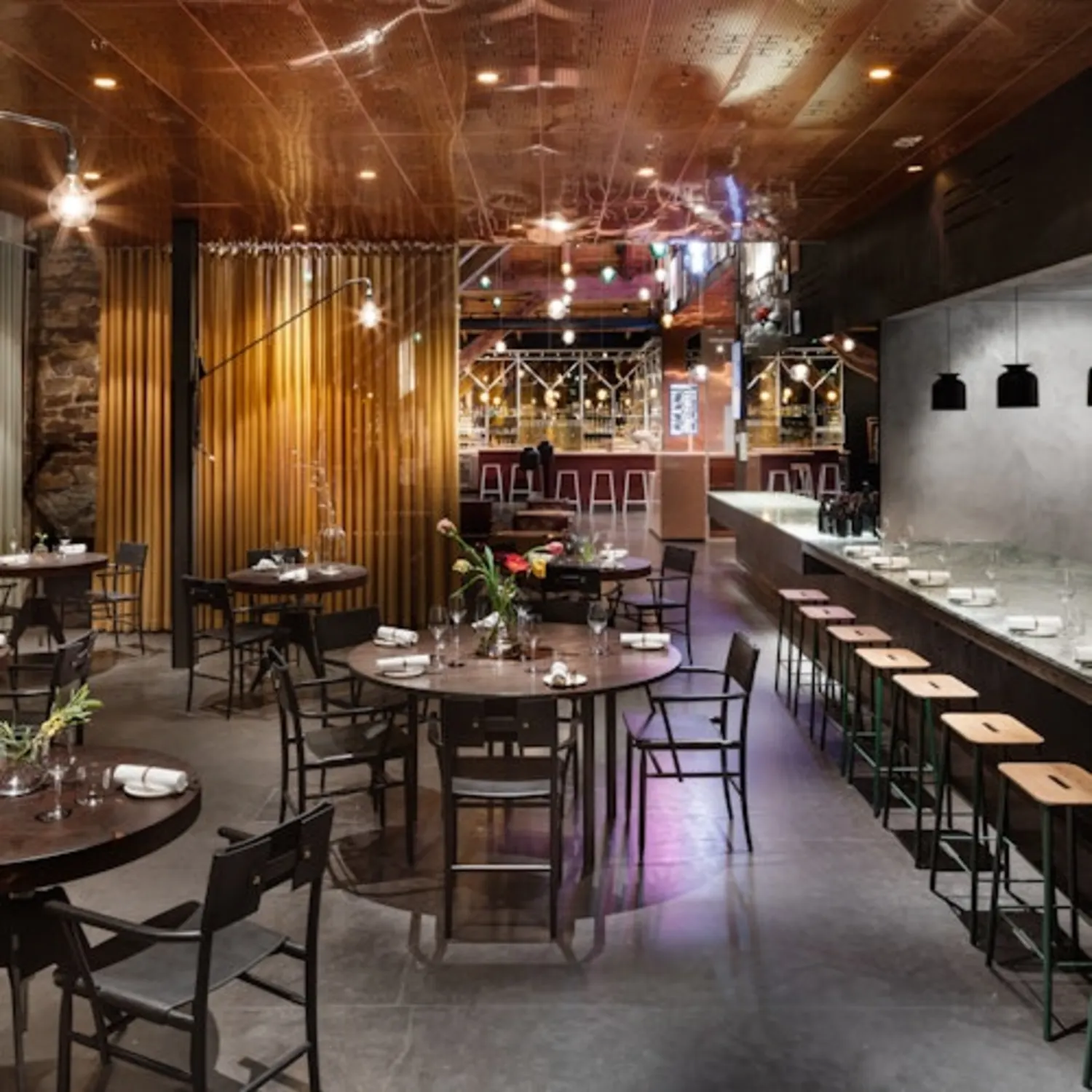
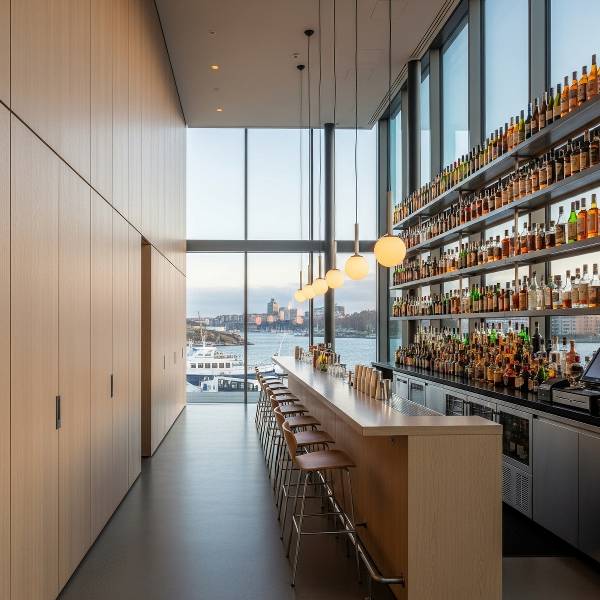
The restaurant at the Museum of Spirits is highly regarded for its focus on seasonal, locally sourced Swedish ingredients. The menu changes regularly to reflect the best of Nordic produce, often incorporating traditional techniques such as pickling, smoking, and fermenting. The dining room offers views of the Stockholm waterfront, providing a sophisticated yet relaxed environment for lunch, dinner, or a weekend brunch.

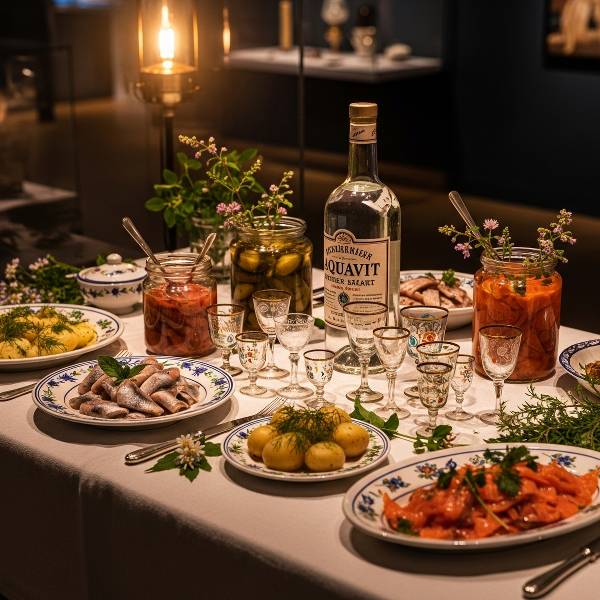
Complementing the food is an extensive beverage list that prioritizes Swedish craft producers. The bar serves a wide variety of domestic gins, whiskies, and aquavits, alongside a selection of local beers and ciders. For those interested in a structured experience, the restaurant offers tasting trays that pair small bites with specific spirits, allowing for an educational exploration of Swedish flavors.

Accessibility

The Museum of Spirits is committed to being an inclusive destination and is fully physically accessible to visitors with varying needs.

The entrance is level with the ground, and all thresholds throughout the galleries have been minimized or ramped to allow for the smooth passage of wheelchairs, mobility scooters, and strollers. Wide elevators serve every floor, ensuring that the Absolut Art Collection and temporary exhibitions are accessible to all guests.

Manual wheelchairs are available to borrow at the front desk on a first-come, first-served basis. For those arriving by car, designated parking spaces for visitors with disability permits are located directly outside the museum entrance.

Service and guide dogs are welcome throughout the museum. The exhibition spaces are designed with high-contrast signage and clear lighting to assist those with visual impairments. While the museum is a sensory experience, staff are available to provide additional context for those who cannot interact with every tactile or visual element.

Accessible toilets equipped with grab bars and emergency pull-cords are located on the ground level.

Accompanying assistants or caregivers for visitors with disabilities are typically granted free admission upon presentation of valid documentation.

Interesting Facts about the Museum of Spirits

The Museum of Spirits was originally founded in 1967 as the Wine & Spirit Historical Museum to celebrate the 50th anniversary of the state-owned alcohol monopoly.

The museum is housed in two restored 18th-century naval galley sheds that once served as storage for the Swedish fleet.

It serves as the permanent home of the Absolut Art Collection, which consists of approximately 850 artworks created between 1985 and 2004.

Andy Warhol was the first artist to be commissioned for the collection in 1986 after he personally expressed his admiration for the shape of the vodka bottle.

When the Swedish government sold the state-owned Vin & Sprit company in 2008, the art collection was excluded from the sale due to its high cultural value.

The permanent exhibition includes a specialized “hangover room” designed to simulate the sensory experience of the morning after a night of drinking.

Visitors can step inside a vintage-style caravan to listen to a library of over 200 traditional Swedish drinking songs known as “snapsvisor.”

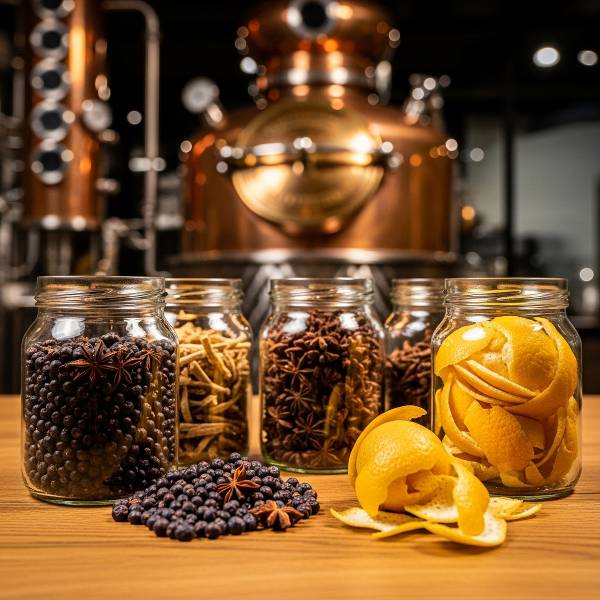
The exhibition spaces include scent stations where guests can use rubber pumps to smell different botanicals used in Swedish schnapps, such as dill and elderflower.

The museum’s seal features a portrait of L.O. Smith, a 19th-century businessman known as the “Brandy King” for his dominance of the Swedish spirits market.

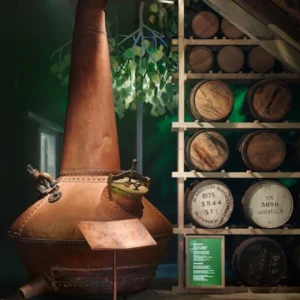
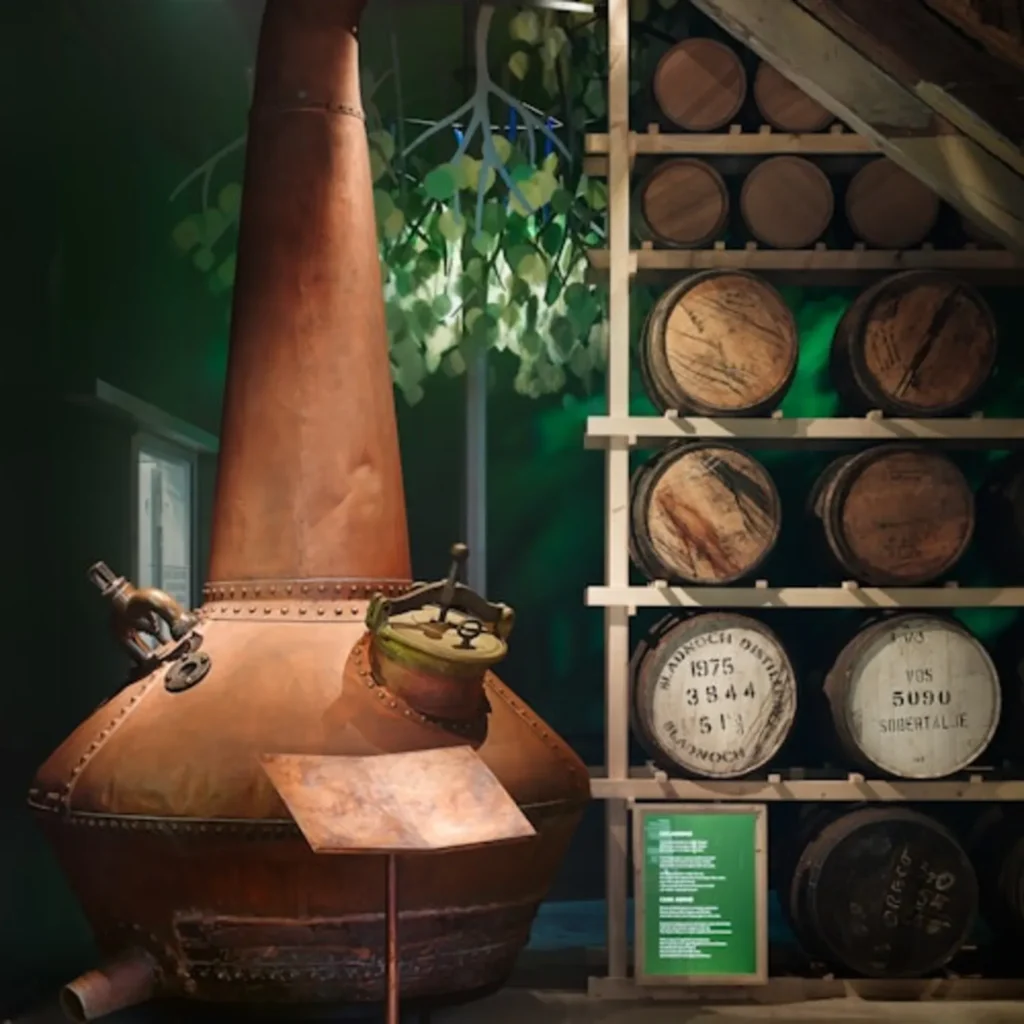
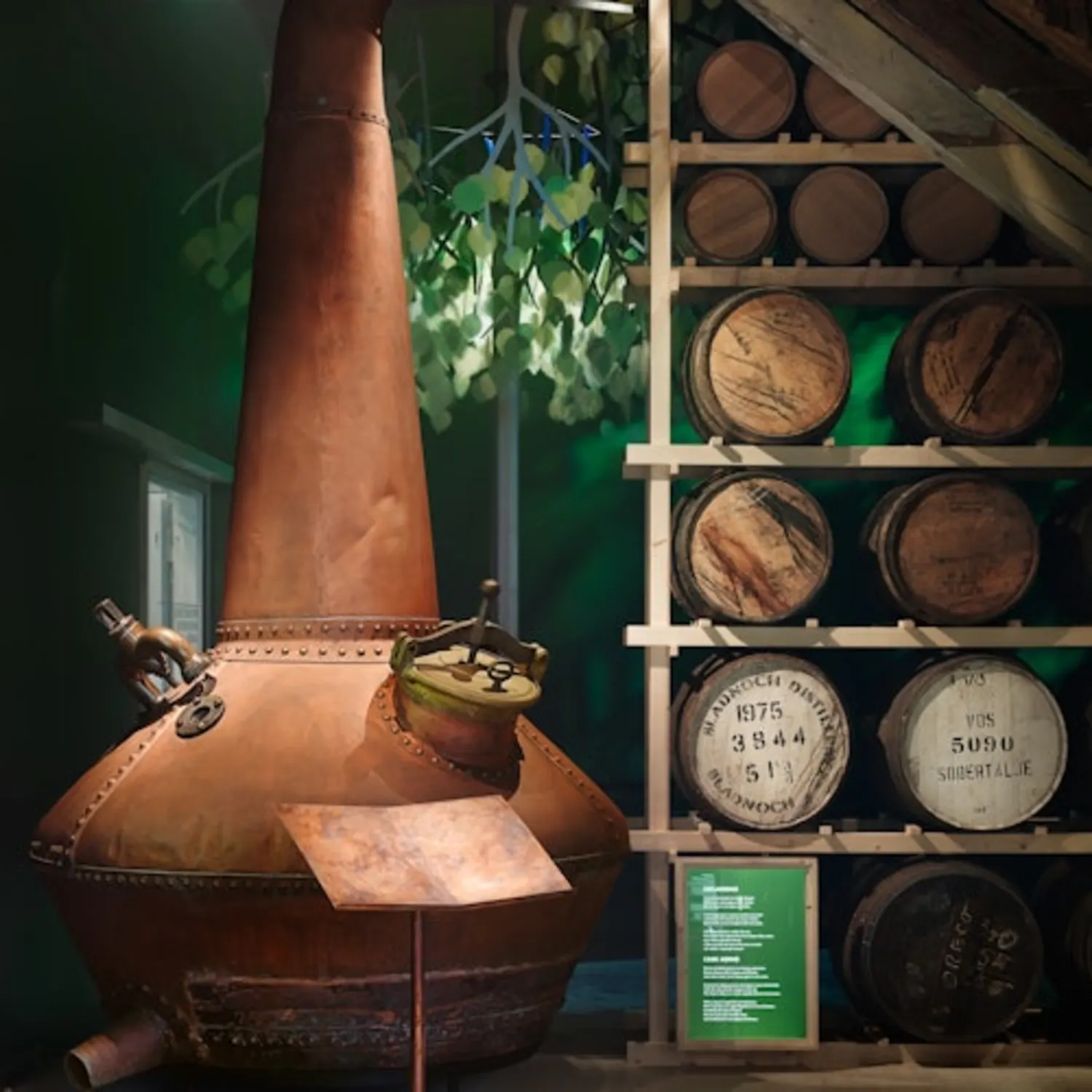
The museum explores the history of “brännvin,” a Swedish spirit distilled from grain or potatoes that has been a staple of the national diet for centuries.

The onsite restaurant is led by acclaimed chefs and is frequently cited as one of the best museum-based dining experiences in Europe.

A unique “drunk quiz” allows visitors to test their knowledge of alcohol’s physical effects and the history of prohibition laws.

The museum moved to its current waterfront location on the island of Djurgården in 2012 to accommodate its expanding art and history collections.

The collection features works from a diverse range of international icons including Keith Haring, Damien Hirst, and Louise Bourgeois.

FAQs about the Museum of Spirits

What is the historical significance of the museum buildings?

The museum is housed in two 18th-century naval galley sheds that originally served the Swedish fleet.

When was the Museum of Spirits first established?

The institution was founded in 1967 and was originally known as the Wine & Spirit Historical Museum.

What is the Absolut Art Collection?

It is a permanent collection of over 850 artworks commissioned by Absolut Vodka from iconic artists like Andy Warhol and Keith Haring.

Why was the art collection moved to this museum?

The Swedish government kept the collection for its cultural value when the state-owned spirits company was sold in 2008.

What kind of sensory experiences does the museum offer?

Visitors can interact with scent stations to smell schnapps botanicals and explore a specialized room designed to simulate a hangover.

What are snapsvisor?

These are traditional Swedish drinking songs, and the museum houses a library of over 200 of them for visitors to hear.

How long should I plan to spend at the museum?

Most visitors spend about 2 hours in the exhibitions, or 3 hours if they include a meal or a tasting.

Is the museum open every day?

Yes, the museum, bar, and restaurant are open daily from 11 AM to 10 PM.

Can I bring children to the Museum of Spirits?

Visitors of all ages are welcome, and the museum offers non-alcoholic beverage alternatives for younger guests.

Do I need to pay for spirit tastings separately?

Tastings and spirit flights are not included in the price of admission and must be purchased at the bar.

How do I reach the museum using public transport?

The venue is easily accessible via Tram 7, Bus 67, or the Djurgården ferry from Slussen.

Is the museum a cash-free venue?

The museum only accepts card payments for all transactions, including tickets, souvenirs, and dining.

Are there storage facilities for heavy bags?

The museum provides a cloakroom and lockers for bags and coats, as large luggage is not permitted in the galleries.

Is the venue accessible for wheelchair users?

The museum is fully accessible with level entrances, wide elevators, and accessible restrooms on the ground floor.

This website sells official tickets for this venue. Please note, however, that it is not the official website of the venue.

The images and videos on this website may contain visual elements that have been created or enhanced using AI technology. They are provided for illustrative purposes only.